

Call us now
08045475258
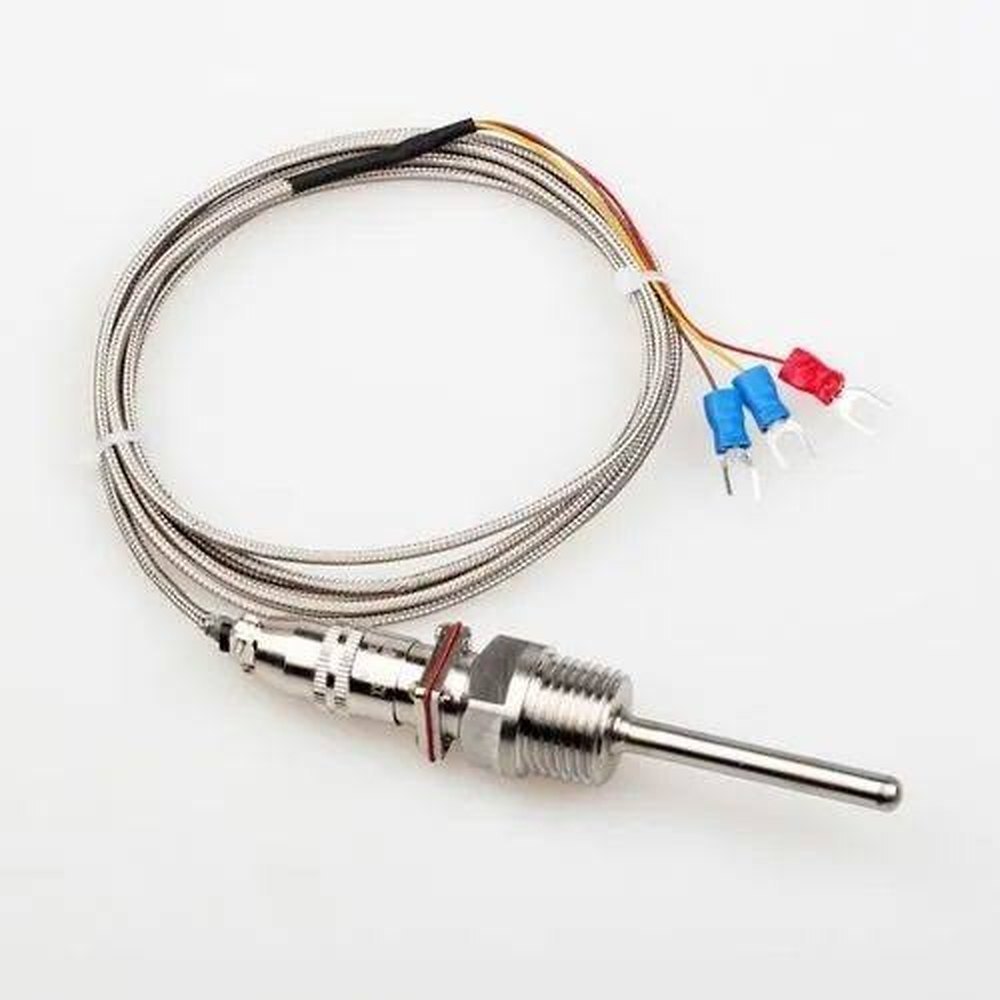
B Type Thermocouple Sensors
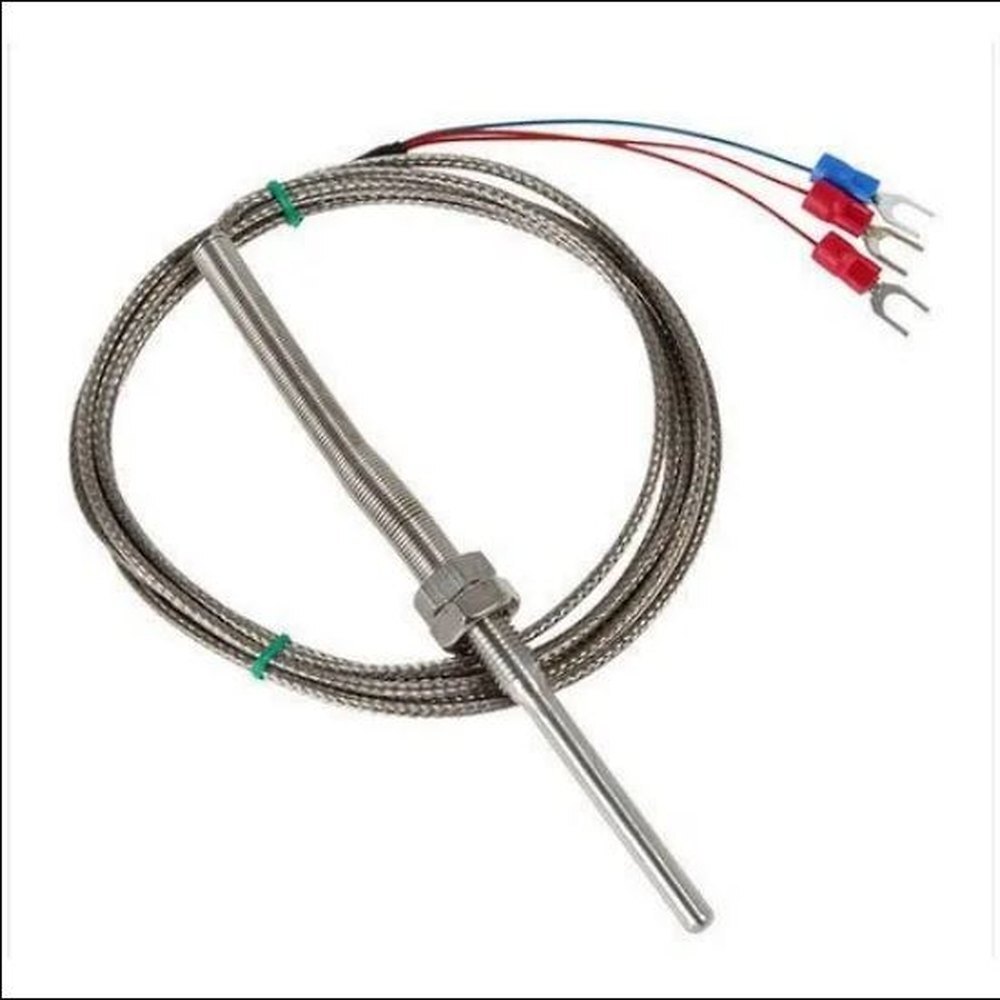
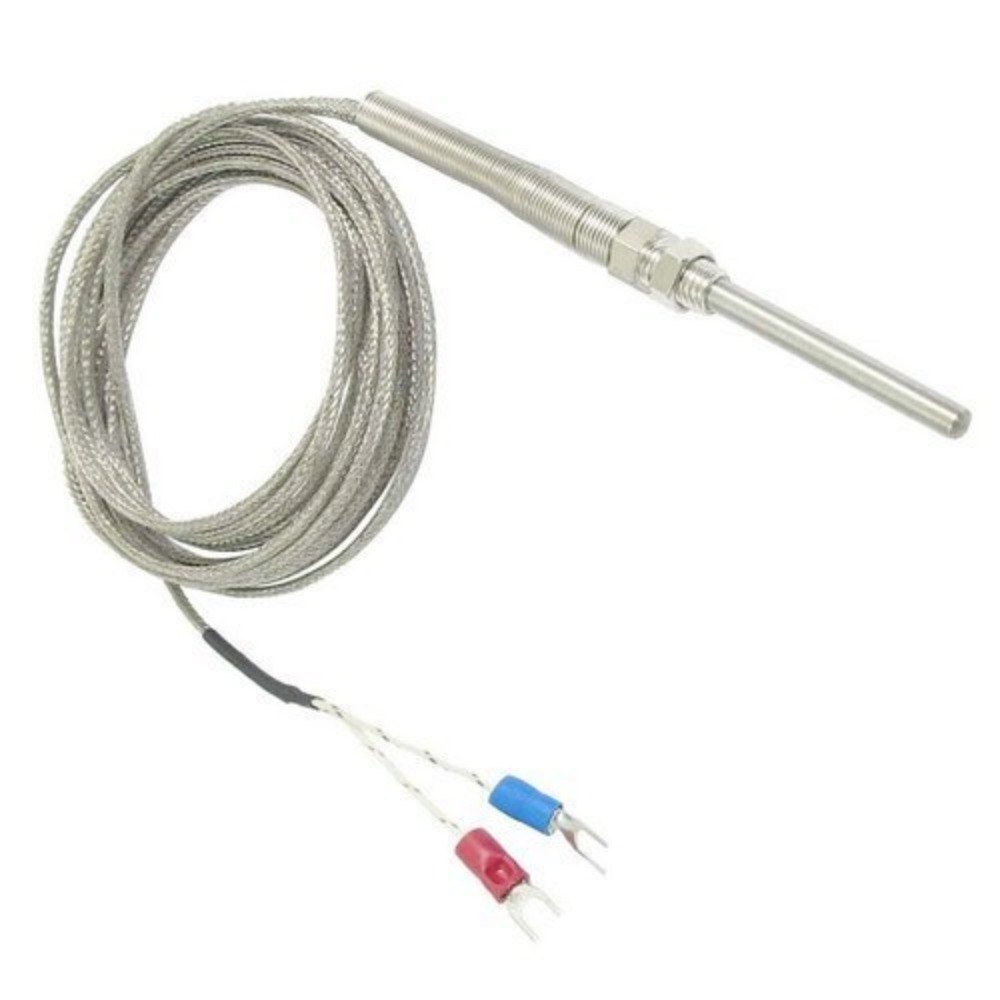

B Type Thermocouple Sensors Specification
- Response Time
- 310 seconds (typical, depends on probe construction)
- Sensitivity
- ~10 V/C
- Sensor Type
- B Type Thermocouple Sensors
- Operating Temperature
- 0 to 1700C Celsius (oC)
- Wireless
- No
- Mounting Type
- Threaded, Flanged, or fixed as per requirement
- Power Consumption
- Negligible, passive device
- IP Rating
- IP65 (with suitable enclosure)
- Features
- High temperature stability, corrosion resistance, suitable for oxidizing environments
- Cable Length
- Customizable (typically 1m, 2m, 3m, or as specified)
- Measurement Range
- 0 to 1700C
- Product Type
- B Type Thermocouple Sensors
- Input
- Temperature
- Function
- Sensing and measuring high temperatures
- Usage
- Industrial
- Resolution
- 1C
- Voltage
- Dependent on configuration, typically millivolt output
- Weight
- Varies as per probe size and assembly
- Long-Term Stability
- Excellent for high temp applications
- Lead Wire Type
- Fiberglass or PTFE insulated, high temperature rated
- Process Connection
- Adjustable compression fitting, flanged, welded
- Compliance
- IEC 60584, ASTM E230/E230M
- Probe Length
- 50mm 1000mm (as per application)
- Insulation Material
- High-purity ceramic, mineral insulated (option)
- Additional Product Specifications
- Drift at Maximum Temperature
- Low (typical <2C/100hrs at 1600C)
- Sheathe Diameter
- 3mm 12mm (customized)
B Type Thermocouple Sensors Trade Information
- Minimum Order Quantity
- 10 Pieces
- Payment Terms
- Cash Against Delivery (CAD), Cash Advance (CA), Cheque
- Main Domestic Market
- All India
About B Type Thermocouple Sensors
Temperature Range 0 to 1700C
Class Class 1
Accuracy 05C or 025
Probe Material Stainless Steel
Application Insustrial Usage
Assembly Thermocouple Probe
Probe Termination Miniature Jack
Reliable High-Temperature Sensing
B Type Thermocouple Sensors are tailored for industries demanding reliable temperature readings in extreme conditions. Their wide measurement range, excellent stability, and corrosion-resistant build make them a trusted choice in steel mills, glass production, and thermal processing plants. These sensors provide consistent accuracy and rapid response, critical for maintaining process efficiency and safety.
Customizable for Versatile Applications
Each thermocouple can be customized in terms of sheathe diameter, probe length, cable type, and mounting configuration to precisely match your operational requirements. From threaded to flanged or welded assemblies, this flexibility ensures seamless installation and integration into existing systems, enhancing both usability and performance for a wide array of industrial uses.
FAQs of B Type Thermocouple Sensors:
Q: How is a B Type Thermocouple Sensor typically used in industrial applications?
A: B Type Thermocouple Sensors are primarily used to sense and measure extremely high temperatures (up to 1700C), making them suitable for industries like metal processing, glass manufacturing, and kilns where precise temperature control is crucial.Q: What materials and construction features enhance the durability of these sensors?
A: The sensors utilize high-purity ceramic or mineral insulation and are built with corrosion-resistant sheaths, ensuring stability and performance in oxidizing environments. The robust construction minimizes drift, even under prolonged exposure to high temperatures.Q: When should I choose a customized sheathe diameter or probe length?
A: Select a custom sheathe diameter (3mm12mm) or probe length (50mm1000mm) based on the specific application requirements, such as the size of the process vessel, depth of immersion, and response time needed for accurate measurement.Q: Where can these thermocouple sensors be installed?
A: These sensors can be mounted using adjustable compression fittings, flanged connections, or welded assemblies, providing installation flexibility for integration into various industrial systems, including reactors, furnaces, and pipelines.Q: What benefits do high-purity ceramic and mineral insulated designs offer?
A: High-purity ceramic and mineral insulation provide superior electrical and thermal insulation, excellent high-temperature stability, and reduce contamination, ensuring reliable performance and longer sensor lifespan in harsh conditions.Q: How does the compliance with IEC 60584 and ASTM E230/E230M impact usage?
A: Compliance with these international standards ensures accurate and repeatable temperature measurements, making the sensors suitable and recognized for use in regulated industrial environments globally.Tell us about your requirement

Price:
Quantity
Select Unit
- 50
- 100
- 200
- 250
- 500
- 1000+
Additional detail
Mobile number
Email

More Products in Temperature Sensor Category

PT100 Radiant Make Sensors
Price 270 INR / Unit
Minimum Order Quantity : 10 Units
Product Type : PT100 Radiant Make Sensors
Usage : Industrial
Accuracy : Class A (0.15C at 0C)
Operating Temperature : 50C to +250C (standard), up to 600C (custom)
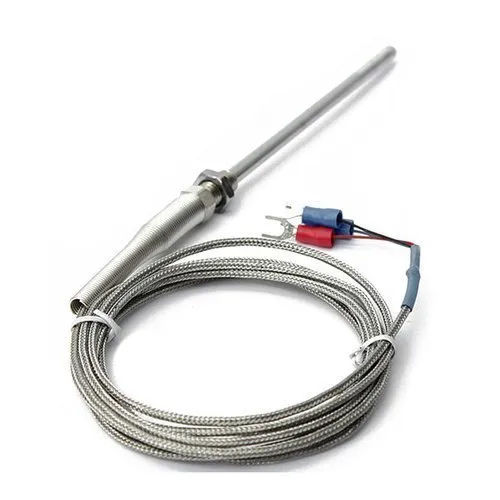
High Temperature Sensor
Minimum Order Quantity : 100 Units
Product Type : High Temperature Sensor
Usage : Industrial
Accuracy : 0.5C
Operating Temperature : 20C to +1200C
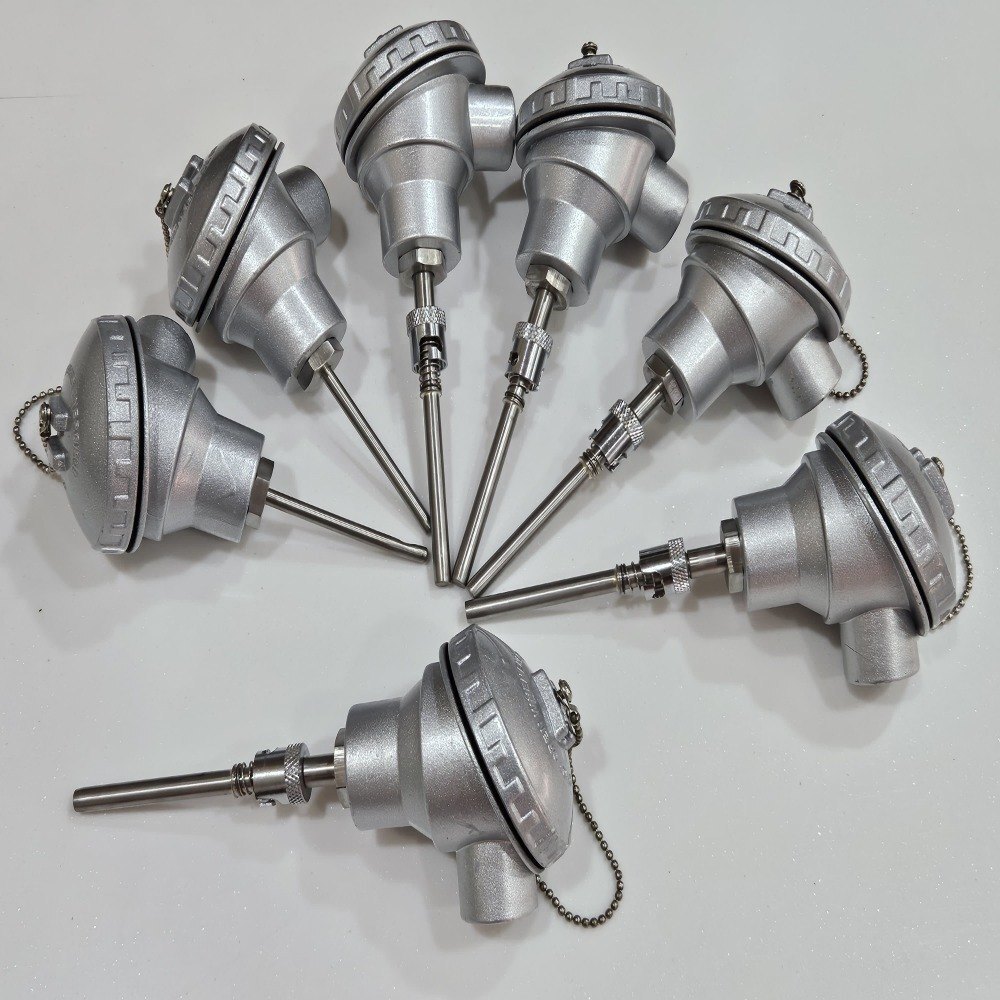
Head Type Thermocouple
Price 1800 INR / Piece
Minimum Order Quantity : 10 Pieces
Product Type : Head Type Thermocouple
Usage : Industrial
Accuracy : Class 1 (+/ 1.5 deg C or +/ 0.4%) %
Operating Temperature : 0 to 1250C Celsius (oC)
R Type Thermocouple Sensors
Price 470 INR / Piece
Minimum Order Quantity : 10 Pieces
Product Type : R Type Thermocouple Sensors
Usage : Industrial
Accuracy : Class 1 (+/ 1.5 Deg C or +/ 0.25% %
Operating Temperature : 0 to 1300C Celsius (oC)

RADIANT HITEMP & THERMO CABLES
GST : 24AKGPP2229J1Z5
GST : 24AKGPP2229J1Z5
|

21/A, Sardar Patel Industrial Estate, Opp. Narol Village, Narol Mumbai Highway, Narol,Ahmedabad - 382405, Gujarat, India
Phone :08045475258
 Send Inquiry
- PTFE Industrial Pump
- PTFE Cable
- Fluoropolymer Raw Material
- PTFE Seals
- Thermocouple Cable
- PTFE Basket Strainer
- PTFE lined Ball Valve
- Temperature Sensor
- PTFE Lined Butterfly Valve
- PTFE Manhole Covers
- Line Spacer
- PTFE Graphite Packing
- RTD Cable
- Filter Nozzle
- Lithium Ion Battery Powder
- PTFE Hose Pipe
- FEP And PFA Lined Valves
- PTFE Lined Valves
- PTFE Wire
- PTFE Products
- PTFE Lined Fittings
- Lined Pipes
- PTFE Rope
 Send Inquiry
 Send SMS
RADIANT HITEMP & THERMO CABLES
All Rights Reserved.(Terms of Use)
Developed and Managed by Infocom Network Private Limited.
Developed and Managed by Infocom Network Private Limited.

